SPORTS: The dearth of outdoor recreation facilities and its effects on the Nigerian child
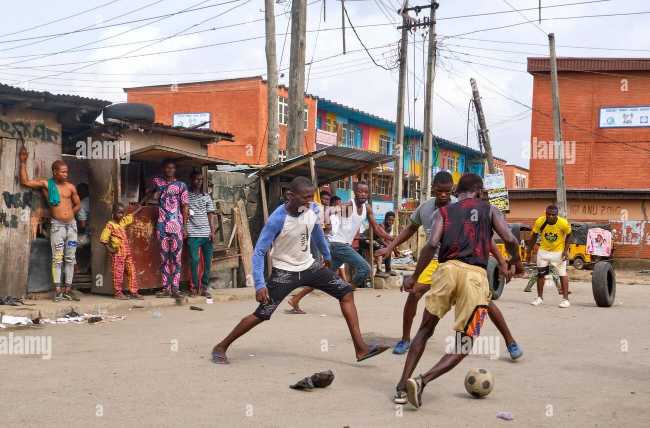
Too often, in different neighborhoods, I have seen the scenario played itself out: teenagers on bare foot playing the round leather game known as football on tarred road pavements within their residence, pausing the sporting activities whenever a vehicle or pedestrian comes along the way, only returning to the game when the coast is clear. This development sadly reflects the neglect or no attention being paid to putting in place recreation infrastructures for the modern day Nigerian child, a situation that limits them from exploring their sense of creativity and showcasing talents.
As Nigerians mark children's day on May 27, attention should be paid to the area of outdoor recreation. Currently, the only outdoor sites that is fun for most children are fast food sites or eateries visited during weekends, hotel or leisure parks for use of swimming pool and other gaming facilities. However, not everyone can afford this lifestyle, which, of course, still limits the mindset of children as they are caged within their domestic confines.
These days, land owners and developers in the urban areas seem fixated on the concept of commercializing housing with no one giving a thought to the provision of spaces for outdoor recreation. Most modern day Nigerian society, despite their acclaimed sense of civilization or modernization, have failed to identify the importance of recreation favilities to the development of a child, and its impact on the larger society.
As a child growing up in the early and late 80's, I and my peers were exposed to a series of outdoor sporting activities that were fun, memorable, and that improved our sense of reasoning. That was because housing back then were erected with the need for space for recreation, and as such, there were large expanse of lands deliberately left to fulfill that purpose.
Looking back to the past, even though there were no parks and leisure centers, I realized that children back then were far better off then than the modern day child when it comes to outdoor recreation. From global games such as hide and seek, football, race, flying kites, high jump competition etc, to local games such as koto, siwè, okor, among several others, in addition to erecting sand/mud houses on spacious lands; constructing cars from plastic, metallic and cartons; as well as building paper ships, were all fun and showcased our depth of creativity.
With the expansion of the urban setting and growth in population, the competition for space seemed to have put an end to that era. Even commercial schools built in this modern era lack adequate space for gymnastic activities. Nowadays, children are inhibited by the lack of space to showcase their youthful talents especially in outdoor sports, thereby stunting the development of their mindsets.
Sometimes I wonder what role the government is playing in town planning of the urban areas because it seems that function does not exist as evidenced by the haphazard way that houses are springing up. A visit to the former Nigeria National Petroleum Company Limited Housing Complex in Ekpan, Delta State, is a blueprint of how small cities or urban dwelling centers should be planned, not the crisis-pattern that is followed by land developers
Asides from playfields that exist in most government schools, and sites not yet developed by land owners, majority of the people would have lacked access to showcase their creative talents outdoor. When children are engaged in outdoor sports or recreation activities, it helps to build their physical health and motor skills, improve their cognitive and creative growth by enabling them to think critically and solve problems. Other benefits include the development of their social skills that enable them to negotiate, share, resolve conflicts, and work in groups; as well as build independence and confidence because of the freedom to make their own choices, take healthy risks, and build self-esteem as they explore the world.
Where children become trapped indoors because of the lack of outdoor recreation facilities in their immediate environment, the room for their holistic development via the promotion of healthy physical growth, enhancement of cognitive and creative skills, and the fostering of emotional resilience in them becomes inhibited, thereby exposing them to become a future burden to the nation in the long run, leading to a situation known as "nature deficit".
According to the Michigan State University (MSU) on the "Consequences of Children Spending Less Time Outdoors," it was stated that, “The shift away from time spent in the fresh air has alarmed health experts who point to the many mental and physical benefits of outdoor play. Access to green space has been shown to reduce anxiety, depression, and stress. Children engaged in unsupervised play in natural spaces demonstrate improved self-esteem, risk detection, and creativity. Regular active outdoor play has also been shown to lower the risk of childhood obesity and Type II diabetes.”
Image Source: Alamy
#penglobaldiscourse #sports #recreation