ASAFAMA LEADERSHIP CRISIS: Stakeholders Resolve Dispute, Extend Mulade-led Executive’s Tenure to 2027
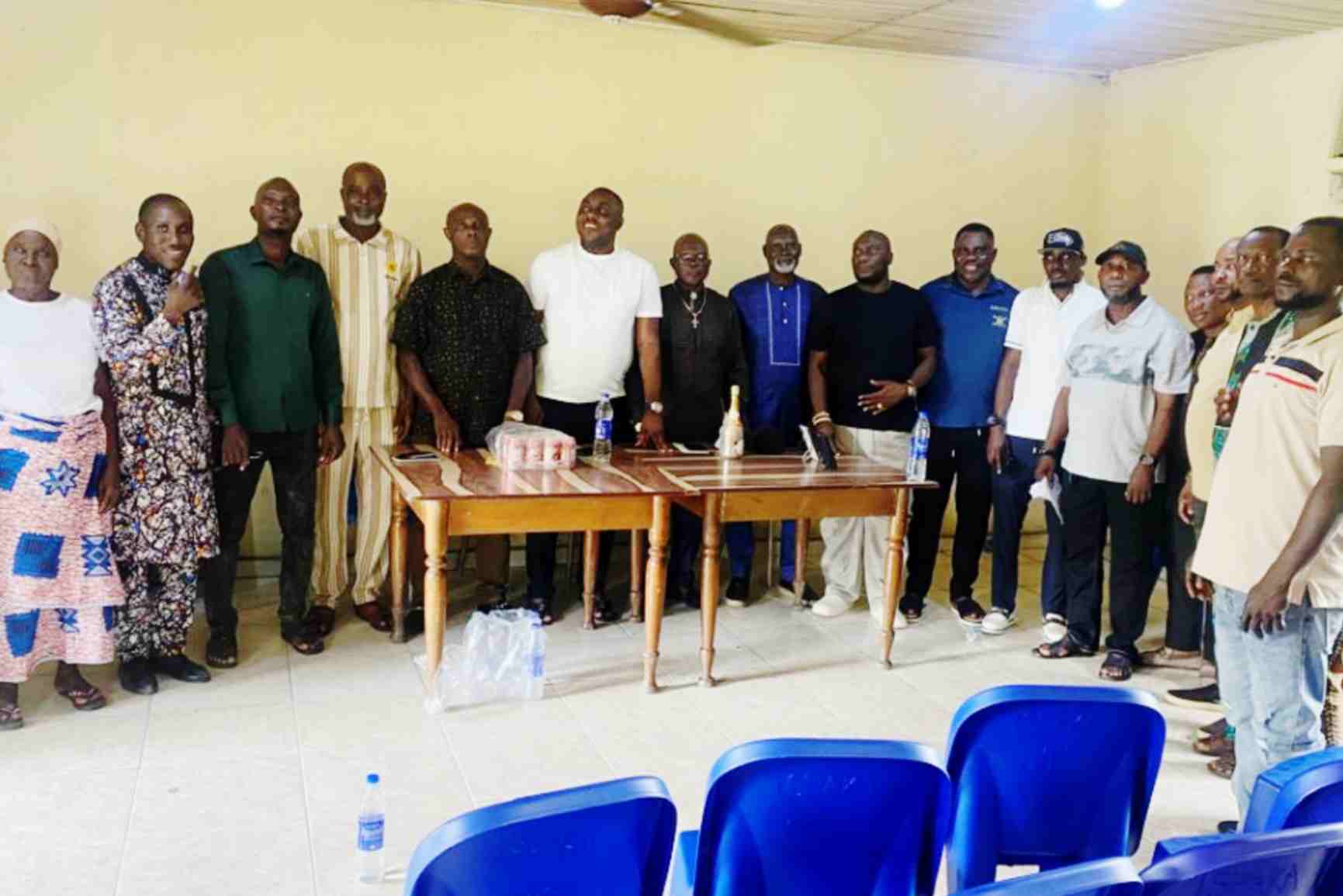
The leadership dispute in Asafama Community in the ancient Gbaramatu Kingdom, Warri South-West Local Government Area of Delta State, involving the Executive Chairman, Mr. Episi Mulade, and stakeholders of the community, has been resolved following the intervention of elders and concerned leaders.
The resolution was reached at a stakeholders' peace meeting brokered by respected community elders led by Capt. Nelson Ebitimi A.K.A Bob OK, Pastor Richard Johnny and Prt. David Keke in Warri, Delta State, on Friday, August 28, 2026, bringing to an end the disagreements that had generated tension over the leadership of the community.
At the meeting, the parties agreed to put aside their differences in the interest of peace, unity and development of Asafama Community, while embracing dialogue and reconciliation as the way forward.
As part of the resolutions reached, stakeholders agreed to grant the Executive Council led by Mr. Mulade a one-year extension in office, with the tenure now expected to terminate on August 28, 2027.
The stakeholders further resolved that the earlier sanction prohibiting companies, corporate organisations and other relevant bodies from dealing with the Mulade-led leadership has been lifted with immediate effect.
Consequently, companies and other organisations dealing with Asafama Community are hereby notified that the Mr. Mulade-led Executive Council remains the recognised leadership of the community for the duration of the extended tenure.
The resolution is expected to restore normalcy and strengthen cooperation among stakeholders, residents, companies and other parties having dealings with the community.
The stakeholders commended the elders who intervened in the dispute and facilitated the peace meeting, noting that their efforts demonstrated the importance of dialogue, reconciliation and collective responsibility in resolving internal disagreements.
They also appealed to all sons and daughters of Asafama Community, both at home and in the diaspora, to embrace the peace process, refrain from actions or statements capable of reigniting the dispute, and work collectively with the leadership towards attracting development and advancing the overall interests of the community.
Mr. Mulade, who apologised to the community over financial issues that led to the crises, sued for oneness going forward and thanked the elders and stakeholders of Asafama Community for the confidence reposed in his leadership.
With the settlement, stakeholders expressed optimism that the community would enter a new phase of peace, unity and cooperation, while urging the Mulade-led Executive Council to use the extended period to promote inclusive leadership and pursue the development and wellbeing of the people.